Understanding IP Warming and Gmail Deliverability
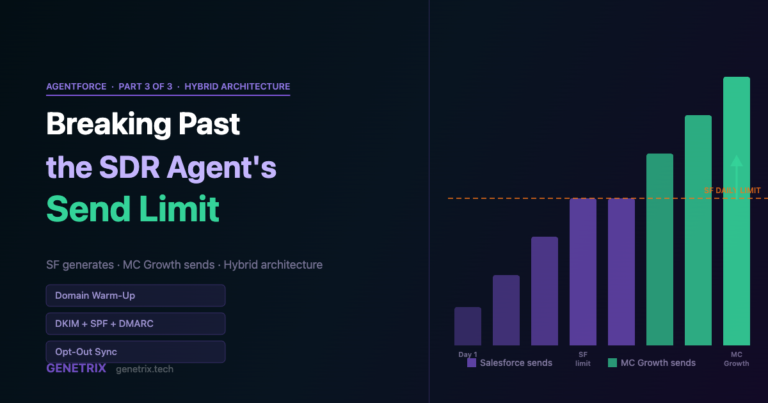
IP warming is the process of gradually increasing the volume of emails sent from a new IP address to prevent being flagged as spam. The Marketing Cloud IP warming chart suggests sending 5,000 emails to Gmail on the first day, but this may be too high, and a more conservative approach may be necessary.
As one community member noted, Gmail’s AI is very good at detecting spam, and it’s not just about the number of emails sent, but also the quality of those emails and the engagement they receive. By cherry-picking a small group of engaged Gmail users to receive your emails on the first day, you can help teach Google’s AI that your emails are valuable and not spam.
Best Practices for IP Warming and Gmail Deliverability
So, what are the best practices for IP warming and Gmail deliverability? First, it’s essential to start with a small, targeted group of Gmail users who are likely to engage with your content. This will help you establish a positive reputation with Google’s AI and increase the chances of your emails being delivered to the inbox.
Another important consideration is the content of your emails themselves. Avoid using phrases that are commonly associated with spam, as these can trigger Gmail’s spam filters. However, it’s also important to note that what works today may not work tomorrow, as spam filters are constantly evolving.
The root cause of deliverability issues with Gmail is often the result of a combination of factors, including IP reputation, email content, and user engagement. By understanding these factors and taking a targeted approach to IP warming, you can improve your deliverability rates and increase the effectiveness of your email marketing campaigns.
Implementing Best Practices
So, how can you implement these best practices in your own email marketing campaigns? Here are a few tips to get you started:
example.html
Example of a targeted email campaign:
Checklist for Improving Gmail Deliverability
- Start with a small, targeted group of Gmail users who are likely to engage with your content
- Avoid using phrases that are commonly associated with spam
- Monitor your IP reputation and adjust your email campaigns accordingly
- Use a gradual IP warming process to prevent being flagged as spam
- Test and optimize your email content to improve engagement and deliverability
Frequently Asked Questions
What is IP warming, and why is it important for email deliverability?
IP warming is the process of gradually increasing the volume of emails sent from a new IP address to prevent being flagged as spam. It’s essential for email deliverability because it helps establish a positive reputation with email providers like Gmail.
How many emails should I send to Gmail users on the first day of IP warming?
It’s recommended to start with a small, targeted group of a few hundred Gmail users who are likely to engage with your content.
What are some common phrases that can trigger Gmail’s spam filters?
Common phrases that can trigger Gmail’s spam filters include those that are associated with spam, such as “make money fast” or “click here now”. However, it’s essential to note that what works today may not work tomorrow, as spam filters are constantly evolving.
How can I monitor my IP reputation and adjust my email campaigns accordingly?
You can monitor your IP reputation using tools like the Marketing Cloud IP warming chart, and adjust your email campaigns accordingly by adjusting the volume of emails sent and the content of those emails.
Need help shipping this in production?
Genetrix builds and untangles Salesforce Marketing Cloud and Agentforce setups for teams that want it done right the first time. If anything in this post sounds familiar, talk to us before it ships.