Key Considerations
When evaluating the use of multiple Business Units, several factors come into play, including data management, branding, IP warming, business governance, business growth, and information sharing. For instance, each Business Unit needs to pass its own setup, and if a dedicated IP is defined per Business Unit, each one needs to undergo an email warmup process.
In the case of the community member, they were dividing the business unit into lifecycle stages of the customer, and using a single source of truth, such as a shared data extension, to manage customer data across multiple Business Units.
Technical Requirements
To implement multiple Business Units, a strong definition for contact definition per Business Unit is necessary, including how contacts enter the system, such as through forms, CRM, or API connections. Additionally, managing the information through a Customer Data Platform (CDP) or a single source of truth is crucial to avoid overlap and ensure that the same people are not sent emails from multiple Business Units.
Example Code
/* Example code for managing contacts across multiple Business Units */
var customerData = Platform.Function.Invoke('GetCustomerData', ['customerID']);
var businessUnit = customerData.businessUnit;
/* Use the businessUnit variable to determine which Business Unit to send the email from */
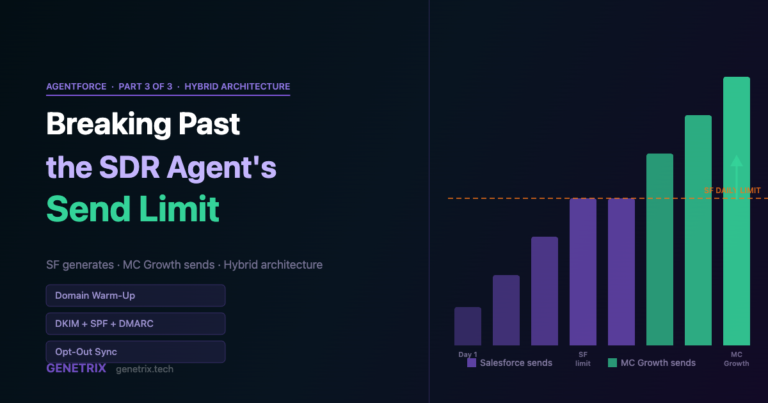
The root cause of the issue is the limitation of the current setup in handling high-volume email sends, which can be addressed by distributing the sends across multiple Business Units.
Best Practices
To ensure successful implementation of multiple Business Units, it is essential to follow best practices, such as using multiple IP addresses for load balancing, consistent reporting, and managing the volume and load without affecting other Business Units.
Heads up: Using multiple Business Units requires careful planning and management to avoid overlap and ensure that the same people are not sent emails from multiple Business Units.
Checklist for Implementing Multiple Business Units
- Define a strong contact definition per Business Unit
- Manage customer data through a single source of truth, such as a shared data extension
- Use multiple IP addresses for load balancing and consistent reporting
- Ensure careful planning and management to avoid overlap and ensure that the same people are not sent emails from multiple Business Units
- Monitor and analyze email send volumes and performance across each Business Unit
- Establish a process for handling customer data and email sends across multiple Business Units
What is the main consideration when dividing a business unit into lifecycle stages of the customer?
The main consideration is ensuring that the same customer may receive emails from multiple business units, and managing customer data accordingly.
How can I manage customer data across multiple Business Units?
You can manage customer data through a single source of truth, such as a shared data extension, and use a Customer Data Platform (CDP) to ensure that customer data is up-to-date and accurate across all Business Units.
What is the benefit of using multiple IP addresses for load balancing?
Using multiple IP addresses for load balancing allows you to manage the volume and load without affecting other Business Units, and ensures consistent reporting.
How can I ensure that the same people are not sent emails from multiple Business Units?
You can ensure that the same people are not sent emails from multiple Business Units by using a single source of truth, such as a shared data extension, and managing customer data accordingly.
Need help shipping this in production?
Genetrix builds and untangles Salesforce Marketing Cloud and Agentforce setups for teams that want it done right the first time. If anything in this post sounds familiar, talk to us before it ships.